
During the previous quarter, fake Chrome notifications urging users to dial a tech support number have grown dramatically. Research reveals that this tech support scam could possibly use an Application Programming Interface (API) to freeze the browser, convincing the user to get in touch with the support line and share their credit card details.
Chrome users panic as new scam spreads

Locky-type ransomware is attacking systems

A new, Locky-type ransomware is currently infecting tens of thousands of computers worldwide. It uses the same code from the 2016 version to encrypt users’ files and it looks poised to cause another massive cyber emergency. Here’s everything we know so far.
Steer clear from these types of malware

Did you know that viruses, ransomware, spyware, and trojans are all categorized as types of malware? Having been around for decades, these cyber threats have grown both in number and intensity. Needless to say, it pays to know how each of them works as well as how to protect your business.
Beware: Nyetya is worse than WannaCry
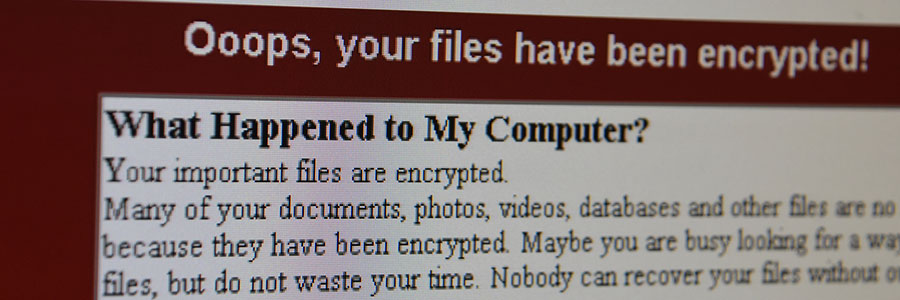
The cyber community hasn’t fully recovered from the WannaCry ransomware attacks, which struck businesses and organizations in May. Now, a Petya ransomware variant named Nyetya is poised to join its ranks as one of the worst cyber attacks in history.
Lessons learned from the WannaCry malware

WannaCry is one of the few malware campaigns to become a household name. It’s educated countless people on the reality of ransomware and the vulnerability of their data. If you’re still worried about whether you’re at risk, we’ve collected everything you need to know right here.
A brief history of virtual quarantines

Malware is becoming more sophisticated every day, and we recommend several solutions for dealing with it. One of the most interesting of these is achievable via cutting-edge virtualization technology. Often referred to as sandboxing, this solution is a great way to quarantine and test suspicious applications before exposing them to your entire network.
Sly phishing attack catching users off guard

You pay close enough attention to the links you click to avoid clicking on something like goolge.com or evrenote.com...right? Because if you’re not, you could end up exposing your computer or smartphone to a host of malware. The newest phishing attack strategy is the worst of all, and can catch even the most astute users off guard.
Reasons to back up your mobile devices

It makes a lot of sense for electronics firms to pack a variety of functions into mobile devices and expand their usefulness. Instead of confining their use to communications, companies such as Apple, Samsung, and others have turned mobile phones into mini-computers that can serve as a substitute for your laptop, or as a storage device.
No Ransom: a place for free decryption

Although a ransomware infection might feel targeted, you’re not the only one who’s been infected. Ransomware is spreading at an alarming rate, but the further it goes, the more resources are allocated to fighting it. If your data is held hostage, always check these lists for free decryptors first.
Fileless malware: who are the targets?

Business owners have spent the last couple months fearful of cyber attacks from the “fileless malware” plastered across headlines. The reality of this new threat doesn’t actually call for panic...yet. Getting acquainted with this new malware today could save you from a headache in the future.