
Choosing between open-source and proprietary Voice over Internet Protocol (VoIP) systems requires careful consideration of several key factors: cost, support, flexibility, and ease of use. To determine which model is the right fit for your business, this article examines the pros and cons of each option.
Pros and cons of open-source and proprietary VoIP systems

From password chaos to seamless access: Why you should implement single sign-on

As companies rely more on cloud tools, managing logins has become a growing challenge. Single sign-on (SSO) provides a smarter way to balance convenience and security, all through one secure authentication system.
The case for using SSO
Most employees are drowning in passwords.
What you need to know about the multifactor authentication vulnerabilities

Multifactor authentication (MFA) is widely used to secure online accounts, but it’s not without its flaws. While MFA adds an important layer of defense, it can still be bypassed by savvy cybercriminals. Understanding how attackers can exploit vulnerabilities is essential in improving your overall security.
Should you choose cloud-based or on-premises VoIP?
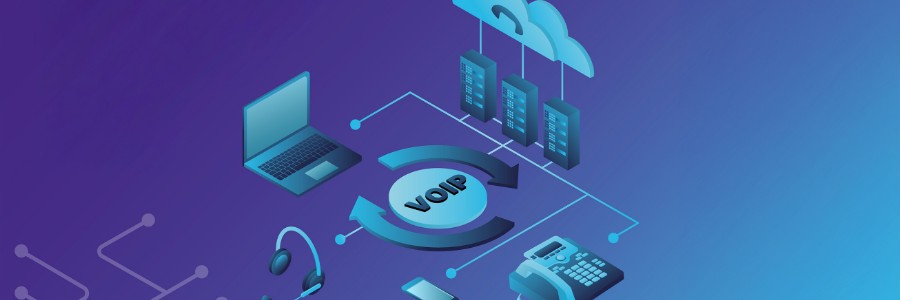
Deciding whether to use cloud-based or on-premises VoIP is a significant decision for businesses. This article explores the pros and cons of both options, from security to scalability, to help you choose the right solution for your organization’s goals.
Why people are leaving your website early and how to hook them

You invest heavily in getting your name out there, but the calls just aren't coming in. You don't need to immediately blame your prices or what you sell; your site might be the real reason people are not buying. Small friction points, such as hard-to-read text or confusing menus, often cause potential customers to give up and check out a competitor instead.
Cybersecurity for businesses: A simple defense plan for data loss

Data protection can be tricky. While most businesses know it’s important, few have the tools or knowledge to effectively secure their information. We’ve broken down key strategies to help you safeguard your business against data loss.
Restrict access privileges to those who need it
Access control defines who can view, change, or share information inside your systems.
The 2026 cybersecurity forecast: Threats and priorities

Drawing on their experience, cybersecurity experts Rob Wright (Dark Reading), David Jones (Cybersecurity Dive), and Alissa Irei (TechTarget) identified emerging threats and strategies businesses can use to build stronger defenses. Here’s a closer look at the trends they highlighted and what organizations can do to stay ahead.
5 Ways VoIP phone systems are getting smarter (and what it means for you)

Voice over Internet Protocol (VoIP) phone systems have grown far beyond simple telephone replacements, offering advanced features that were once only available to large corporations. Improved networks and smarter software now drive better call quality and team collaboration.
Small-business cloud computing: A simple guide to getting started

Cloud computing is the use of remote servers to store, manage, and process data, freeing businesses from the limits of physical infrastructure. For small businesses, that means reduced IT overhead, improved agility, and access to enterprise-level tools.
How businesses can create stronger passwords

Creating robust passwords is a fundamental pillar of online security. However, it’s a step that is frequently misunderstood or overlooked. For businesses, understanding what defines a strong password is key to bolstering security and safeguarding sensitive data.