
The terms FXS and FXO come up in almost every conversation about analog telephony and VoIP integration, but they’re rarely explained clearly. They’re not interchangeable, and confusing them during a phone system setup creates problems that can be difficult to troubleshoot after the fact.
What’s the difference between FXS and FXO? A plain-language guide for businesses

How number porting works and how to make sure it goes smoothly

Your business phone numbers are yours to keep, regardless of which carrier currently manages them. The Federal Communication Commission’s (FCC) local number portability rules guarantee that right, but the transfer process has requirements that you need to understand before you begin.
VoIP vs. traditional phone security explained

Transitioning to Voice over Internet Protocol (VoIP) phone systems can bring significant flexibility and cost savings for businesses. However, many still worry about the security of VoIP compared to traditional phone systems. In this article, we’ll tackle frequently asked questions about protecting VoIP and traditional phones so you can decide whether to make the switch to a VoIP solution.
What do business phone systems look like today?
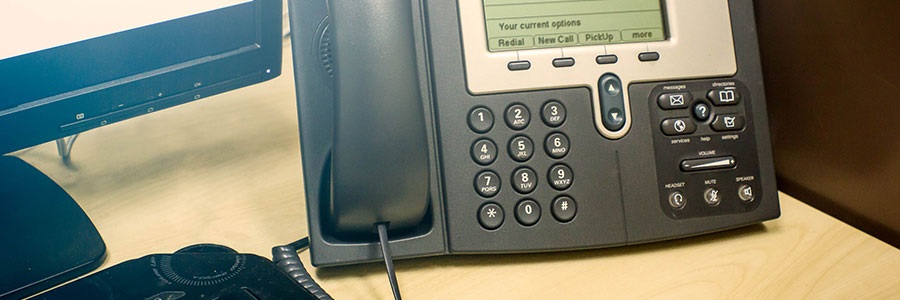
Although digital communication tools let businesses connect with customers and other stakeholders in an efficient manner, landlines are still used to communicate with business stakeholders. And for many organizations, determining whether to use internet phones or traditional landlines remains a concern.
Should your business switch to VoIP phones?

Many businesses still rely heavily on landline telephones as the first point of contact with their customers. But thanks to technological advances that combine the best of traditional telephony and digital connectivity, businesses can now enjoy a more affordable and more reliable option: Voice over Internet Protocol (VoIP) phones.
Adopting VoIP is a great way to future-proof your company
Total immersion into tech is increasingly becoming a requirement in today’s business landscape. But despite this, many companies still use legacy phone systems. It would be smart to move on from outdated communications platforms and embrace a flexible, future-ready solution: VoIP.
Different phone systems
Phones have come a long way from analog landlines.
Here’s how your business communications system works

Many businesses still rely heavily on landline telephones, which remain one of the first points of contact businesses have with their customers. With the marriage of traditional telephony and digital connectivity comes a more affordable and more reliable option: internet phones.
Business phones: How long should they last?

Good communication remains critical to the success of a business. A company should have an efficient and effective business phone system for internal and external communication. And given the rapid developments in technology, it’s important to invest in a phone system that lasts.